KARMANUTRA

Fixing food, one bug at a time.

Creating a circular bioeconomy

Nature wastes nothing. It recycles food, energy and waste, and we can use the same mechanics to feed ourselves.

How are we going to do that, sustainably, for nine billion people? We need a new menu. Insects are where we start. They turn what we throw away into protein, oil, fertiliser and heat, and they work at any scale. So do we: from a single rearing unit, to industrial plants, to communities building food systems of their own. We bring together science and indigenous knowledge, and we include the marginalised, always.

Start with one tonne of supermarket waste. Black soldier fly larvae eat it. Two weeks later there’s 180 kg of larvae.
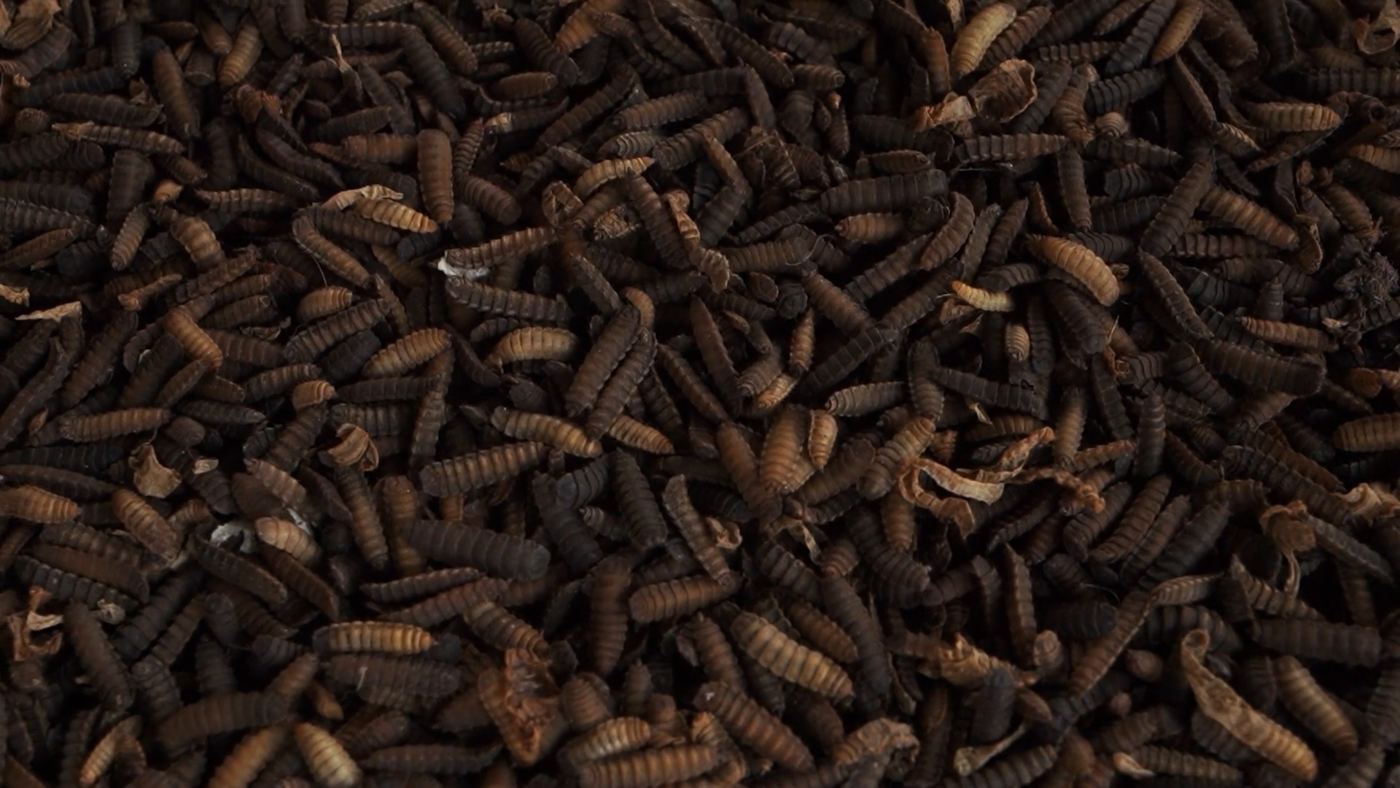
Out of that tonne: 36 kg of protein meal, 15 kg of oil and 200 kg of frass for the fields. And 0.8 t of CO₂e that never reaches landfill.

We design the business before the plant: the right waste, the right site, buyers nearby. Then we bring in the partners who build and run it.

That’s one loop. Here’s the whole circle.
Our name is not an accidental play on words.

It stands for a circular food supply rather than a linear one. If we pay closer attention to the way the natural world recycles food, energy and waste, we can use the same mechanics to feed, water and power ourselves. But we have to start now.

  • Feed & food

    Insects are nature’s most powerful upcyclers. Black soldier fly larvae turn low-grade food waste into high-value protein and fats, quickly and with a tiny footprint.

  • Soil & farming

    Without insects and fungi there would be no agriculture: no pollination, no decomposition of organics, no healthy soil, no pest control, no food for the creatures that carry seeds and drop organic fertiliser.

  • Materials

    Insect exoskeletons and fungi cell walls both contain chitin, a natural polymer stronger and more stable than cellulose, with an enormous range of practical uses that can ultimately replace plastics, and even leather.

  • Medicine

    One of the most exciting areas of research is the pharmacological use of insects, fungi and little-known plants. Insect by-products are already used extensively in pharmaceuticals, and this is just the beginning.

  • Knowledge

    All our planet’s indigenous peoples, without exception, have traditions of foraging for insects, for food, medicine and more. We’re relearning this knowledge and uncovering an encyclopaedia of new uses and new tastes.

  • Energy

    Larvae give off heat as they grow. GrowHive runs on it, and we design our plants to recover it.

What it means for a supermarket or food business.

  • Waste that costs money to remove starts earning it.
  • Own-brand pet food and garden fertiliser, made from your own waste, back on your own shelves.
  • Clear figures for waste diverted and CO₂e avoided, ready for your sustainability report.
  • A plant designed around your waste, with partners to build and run it. You don’t need to become an insect farmer.

That was one tonne. How much waste do you have?

10tonnes

Per year

Fresh larvae
657t
Dry larvae
197t
Protein meal
132t
Oil
53.2t
Frass
730t
CO₂e avoided
2,920t

Indicative figures.

$ See the money side

Three ways we work

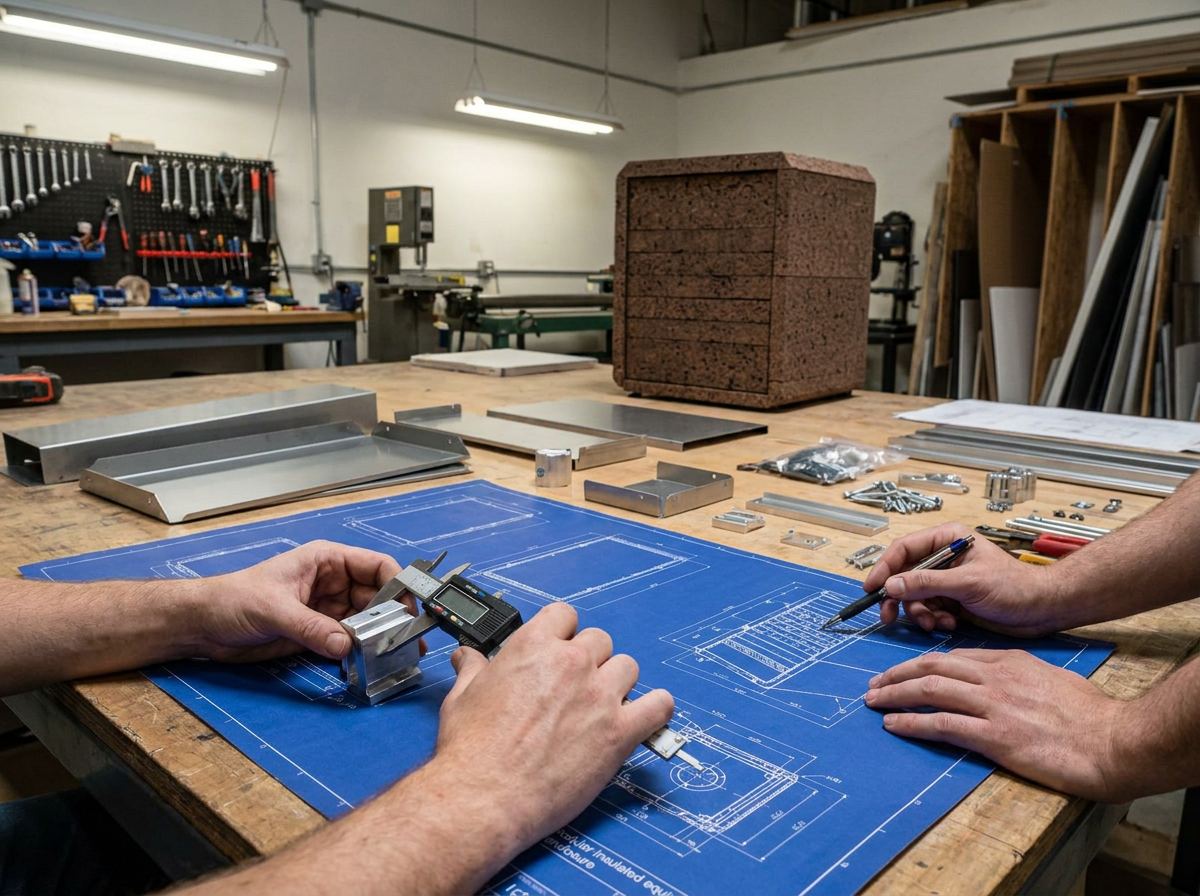
Hands measuring parts on a workshop bench, a cork-clad unit behind

Build

Insect plants at industrial scale.

We make insect plants pay. Siting, feasibility, financial models, and the partners to build and run them.

Runs on the larvae’s own heat

Innovate

Circular technology at small scale.

GrowHive. Sustainable Intelligence, Powered by Biology. A self-powered rearing unit for farms, schools and households: 5 kg of larvae a day from soft organic waste.

hive.karmanutra.org

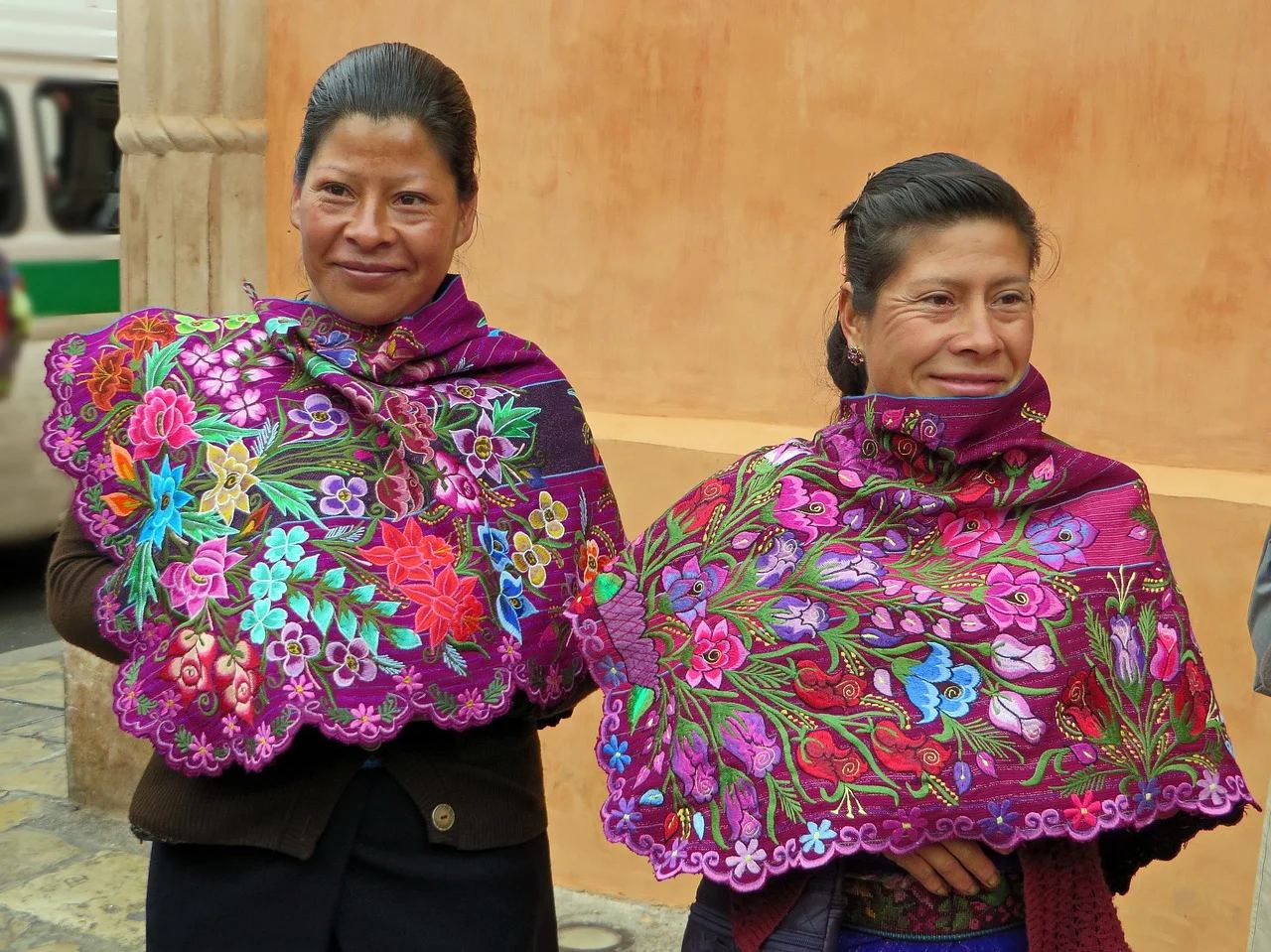
Two women in embroidered shawls in Chiapas, Mexico

Engage

Communities building their own food systems.

Our landmark project, Bichos Para Mejorar La Vida, is an insect supply chain designed with five indigenous communities in Chiapas, Mexico, and the scientists on our advisory board.

In preparation

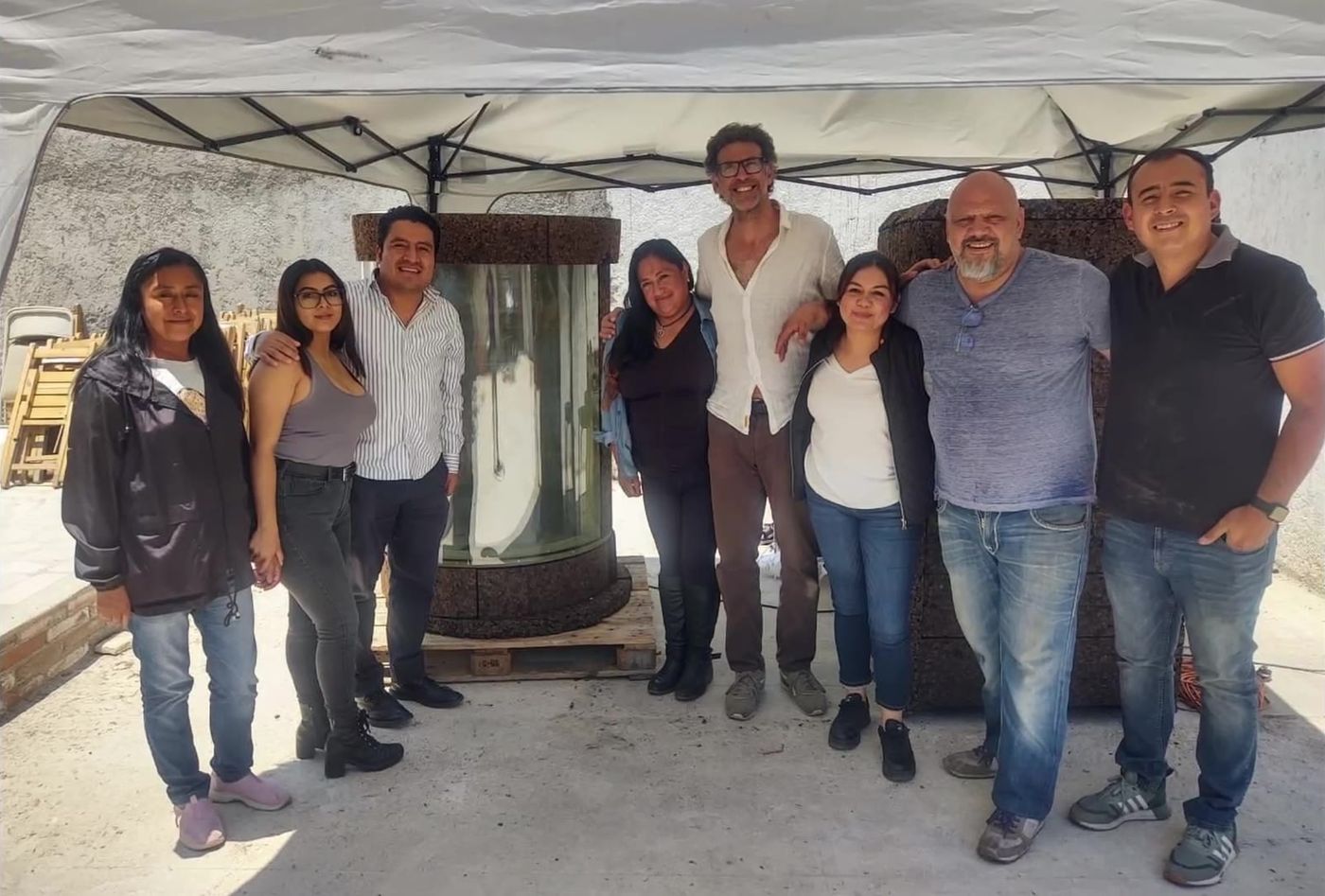
Our team in Mexico standing beside two cork prototypes
Prototypes in Mexico, 2026
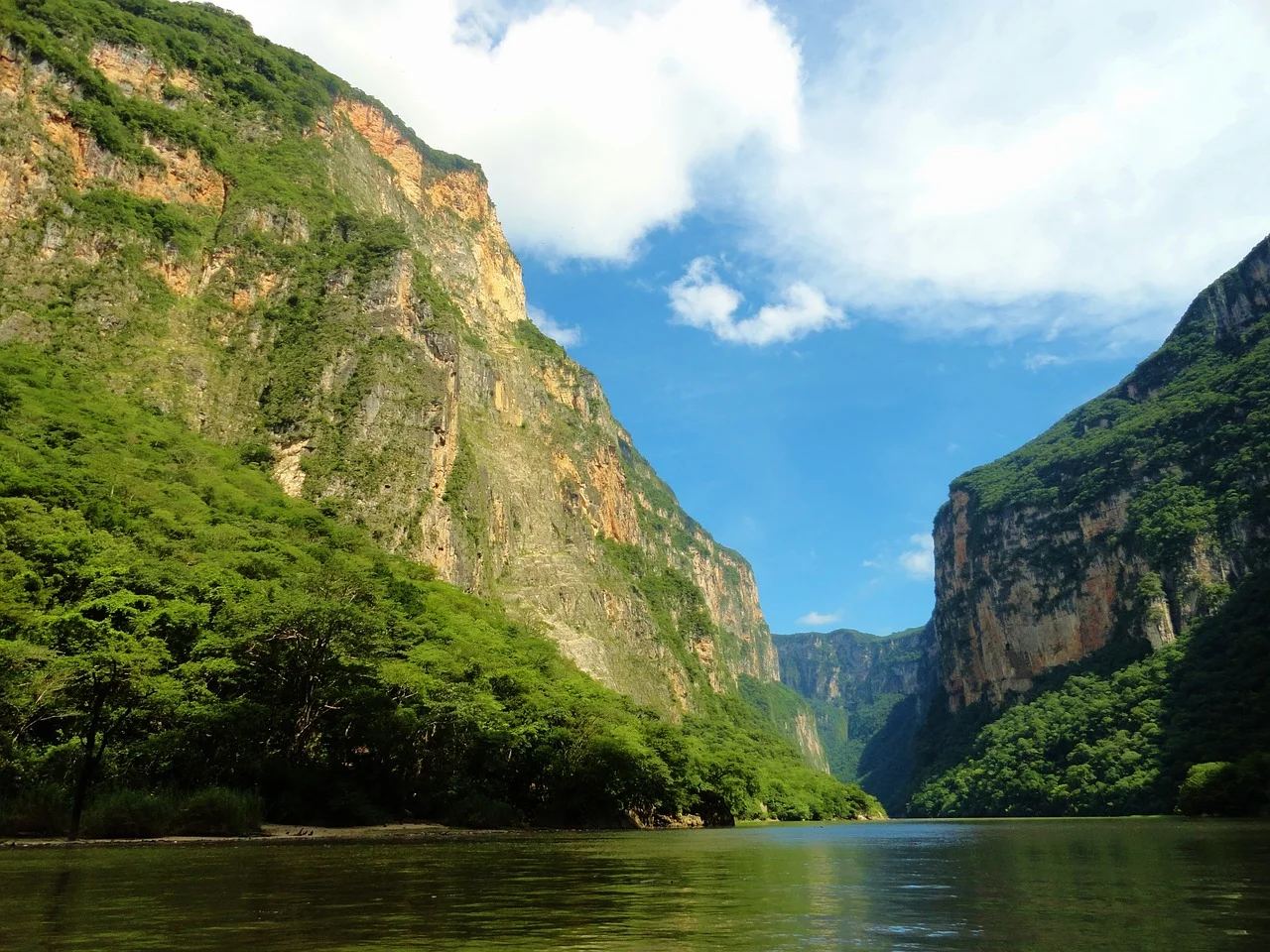
The Sumidero canyon in Chiapas

Everything we do draws on two kinds of knowledge: the lab and the land.

Our work

  • Feasibility study, Argentina

    For an Argentine chicken feed producer, we studied a large-scale plant making BSF meal as a partial replacement for soy and meat-and-bone meal in chicken feed, fed on chicken farm waste and other local organic waste. The central challenge was energy: drying feed ingredients at feed-mill scale takes a lot of it. We modelled how energy capture, heat pumps, geothermal and biogas could work together to make BSF meal competitive with low-cost ingredients, and give chicken farmers a more sustainable way to work.

  • Global siting analysis

    We ranked regions for BSF plants on waste, climate, labour and buyers. Paraná, Brazil, came out top.

  • Paraná, Brazil

    A plant in development, designed around local food waste and local buyers.

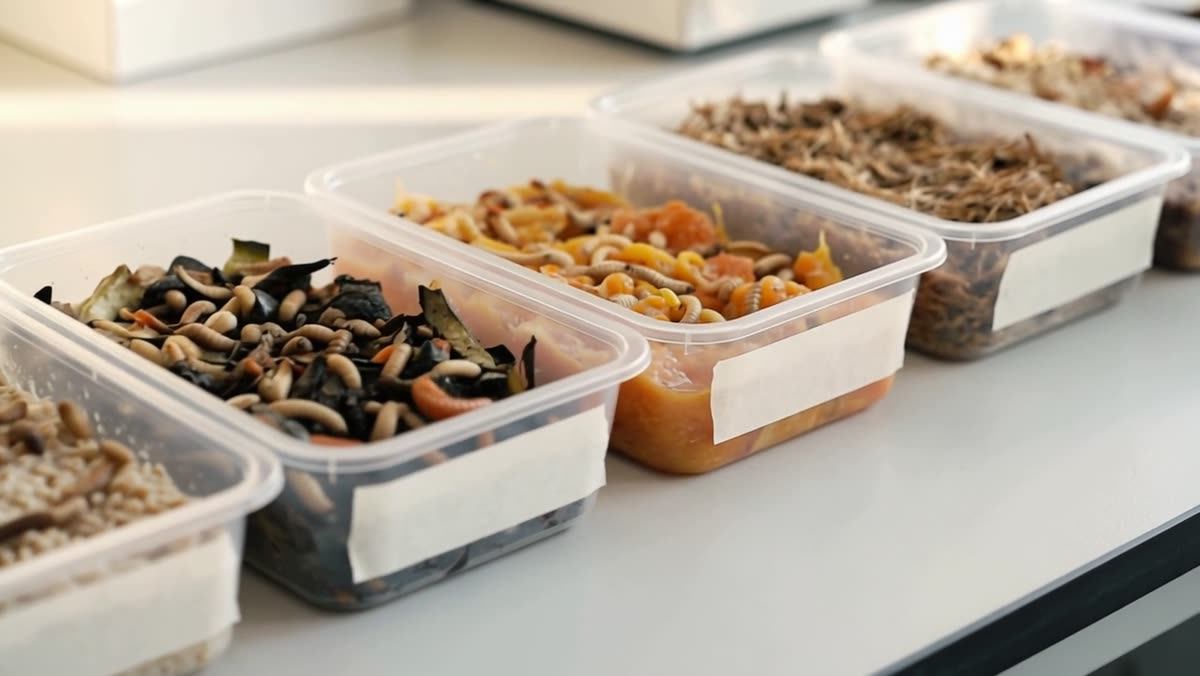
Lab trays of substrate and larvae on a bench
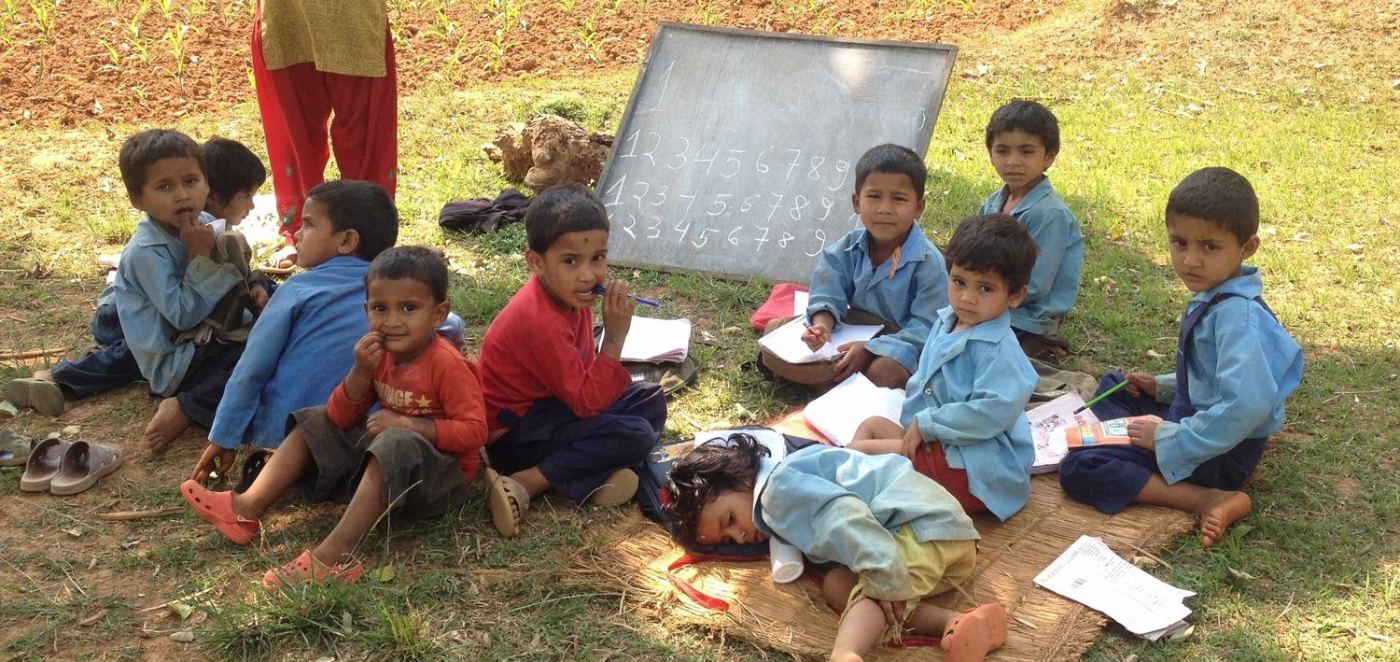
Children at an outdoor lesson in Nepal

Change won’t happen overnight. But if we don’t change, much of what we value won’t survive. Join us.

We reply in English, Spanish, Portuguese, French, Danish and German.

Line Wahlqvist Partnership Relations line@karmanutra.com +44 208 133 2444